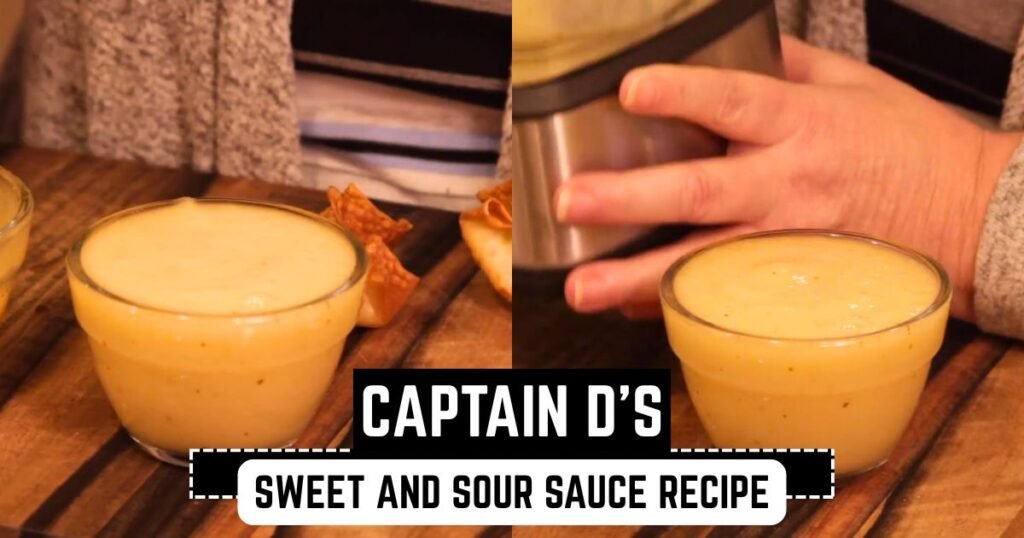
Captain D’s Sweet And Sour Sauce Recipe is addictive, especially when paired with their seafood basket. You may start by dipping one fry or shrimp, but soon you’ll want to savor every drop. I’ve eaten at Captain D’s many times, and that sauce keeps bringing me back.
When I first tried to make it at home, I thought it would be difficult. Many online recipes add ingredients like pineapple juice, chopped peppers, and garlic, which can overpower the classic flavor. After some experimenting, I discovered that the magic of this sauce lies in its simplicity. It’s smooth, well-balanced, and gives you that sweet-and-tangy taste without complicated steps.
This sauce enhances everything. It pairs well with crispy fried fish, shrimp, chicken tenders, French fries, and onion rings. Unlike store-bought sauces, which can taste overly sweet or artificial, this homemade version has a fresher, richer flavor that often beats fast-food packets.
What Does Captain D’s Sweet and Sour Sauce Actually Taste Like?
Captain D’s sweet-and-sour sauce is sweet and light. You first notice the clean and bright sweetness. Then, you taste a mild tang that stops the sauce from feeling heavy or syrupy. It doesn’t have the sharp, strong sourness of some vinegar-based sauces.
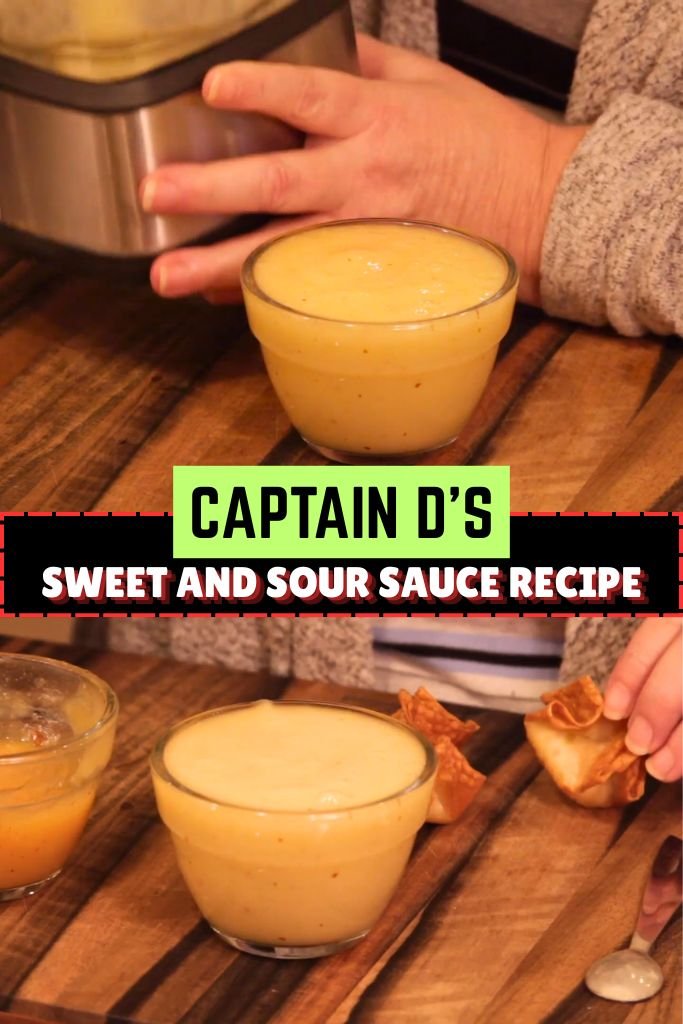
Instead, the sweet and tangy flavors are balanced, so neither overpowers the other. There’s also a subtle savory taste that makes the sauce more interesting. The texture is smooth and glossy, with a slight thickness.
It coats food well but isn’t too thick or runny, unlike Chinese-style sweet-and-sour sauces, which are often brighter red, more vinegar-heavy, and include bell peppers or pineapple.
Captain D’s version is simpler, cleaner, and milder. Many people enjoy it because it goes well with almost any food without being too strong.
What Sets Captain D’s Sauce Apart From the Rest?
Captain D’s sauce has a unique flavor that mixes sweetness with a mild tang. A key ingredient is pineapple, either as juice or crushed fruit, which adds a natural sweetness lighter than sugar. The sauce also has vinegar, usually white or rice vinegar, for a mild tang that isn’t too strong. Some people like to add a little ketchup or horseradish for extra flavor.
Compared to Chinese sweet-and-sour sauce, Captain D’s version is less acidic, smoother, and not chunky. Chinese sauces often use more vinegar and include visible vegetables, which Captain D’s sauce does not. When compared to McDonald’s sweet and sour sauce, Captain D’s is slightly less sweet and has a more balanced flavor.
You typically cannot find Captain D’s sauce in stores, as it is not widely available. The closest alternatives are mild sweet-and-sour sauces from brands like Smucker’s or generic grocery store versions that list pineapple as an ingredient. Captain D’s sauce is still on the regular menu and has not been permanently removed.
Making the sauce at home is often better than buying it in a bottle, since you control the ingredients and it takes only a few minutes to prepare.
Authentic Recipe vs Copycat Versions: Which One Wins?
The original Captain D’s recipe is secret, so all homemade versions are based on experimentation. Home cooks often debate whether a recipe calls for pineapple juice or apricot preserves. The pineapple juice version is more popular because it creates a light, smooth sauce that tastes similar to the restaurant’s.
The apricot preserved version, sometimes mixed with mustard, yields a thicker, richer, fruitier sauce. Some people also add horseradish for a mild kick, which some say brings it closer to the original flavor. Each version has a unique taste.
The pineapple juice base is clean and mild; the apricot-preserved version is fruitier and sharper; and the horseradish version is smooth with a savory edge. Based on my testing, the pineapple juice version tastes the closest to the restaurant. It’s my favorite and the easiest to make with common ingredients you likely have at home.
Ingredients for Captain D’s Sweet And Sour Sauce
1 cup crushed pineapple with juice: This gives the sauce its main flavor. Crushed pineapple adds natural sweetness and a mild fruity taste. Use the juice for more flavor. You can also use pineapple chunks if you want a smoother sauce later.
2 tablespoons rice vinegar: This adds a gentle tanginess without being too sharp. It is milder than white vinegar, making it a better choice for this sauce. You can also use white vinegar for a stronger taste or apple cider vinegar for a fruity twist.
¼ cup white sugar: Sugar balances the acidity and adds classic sweetness. White granulated sugar keeps the color light and the flavor clean. You can substitute brown sugar for a hint of molasses flavor.
2 teaspoons cornstarch: Cornstarch thickens the sauce and gives it a smooth, glossy finish. Mix it with a little liquid before adding it to the pot to avoid lumps. You can use the same amount of arrowroot powder instead.
1 tablespoon pineapple juice (set aside for the slurry): Take this juice from your can before adding the rest. Use it to mix with the cornstarch, which helps the sauce thicken evenly.
¼ teaspoon red pepper flakes (optional): This adds a slight heat to the sauce. Start with ¼ teaspoon and increase to ½ teaspoon if you want more spice.
Tools I Recommend
Small saucepan: Use for stovetop cooking.
Blender or food processor: Achieves a smooth, glossy finish.
Small mixing bowl: Use for mixing the slurry.
Spoon or mini whisk: Helps dissolve cornstarch easily.
Glass jar or container: Use for storing leftovers.
How to Make Captain D’s Sweet And Sour Sauce
1. Make the Cornstarch Slurry: In a small bowl, whisk together 2 teaspoons of cornstarch with 1 tablespoon of the reserved pineapple juice. Stir until the cornstarch dissolves. This slurry helps make a smooth sauce. Don’t add dry cornstarch directly to hot liquids, as it can clump.
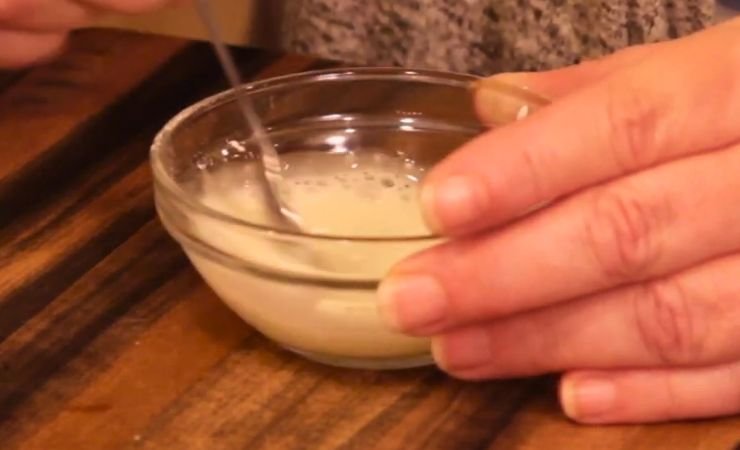
2. Combine the Main Ingredients: In a saucepan, mix crushed pineapple with its juice, 2 tablespoons of rice vinegar, and ¼ cup of sugar. Stir until the sugar dissolves. If you want some heat, add red pepper flakes. Heat the mixture over medium heat, stirring until it boils. Then add the slurry to improve flavor and help dissolve the sugar more effectively.
3. Add the Cornstarch Slurry: Once the sauce boils, pour in the cornstarch slurry while stirring constantly. The sauce will thicken quickly. Keep stirring and let it boil for 1 to 2 minutes to help the cornstarch dissolve, giving the sauce a shiny, thicker appearance.
4. Blend for a Smooth Finish: If you want a smooth sauce without pineapple chunks, carefully pour the mixture into a blender and pulse until smooth. You can also use an immersion blender directly in the pot. This step is optional; some people prefer a chunkier sauce.
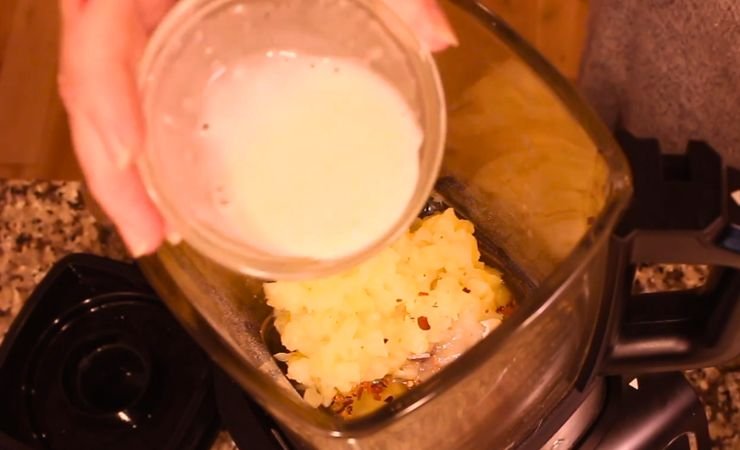
5. Cool and Serve: Remove the sauce from the heat and let it cool for a few minutes. It will thicken more as it cools. Pour it into a serving dish or glass jar. You can use it right away or refrigerate it for later.
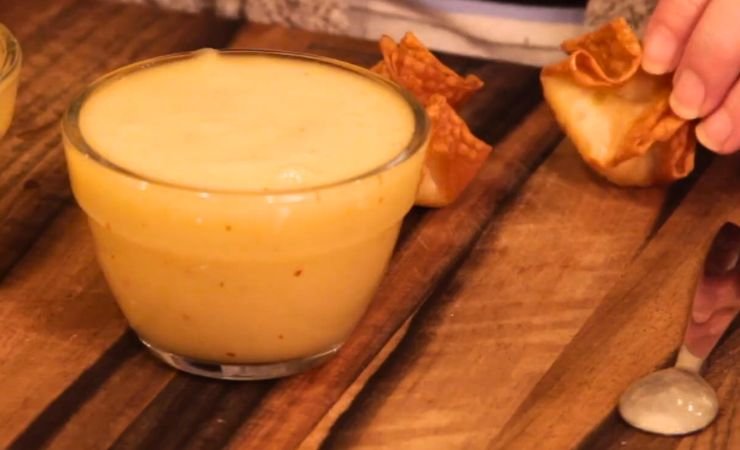
Tips for Getting the Texture Just Right
Runny Sauce: If your sauce is too thin, it likely didn’t boil long enough after adding cornstarch. Bring it to a gentle boil again and stir for 1 to 2 minutes. You can also mix half a teaspoon of cornstarch with a little cold water, then stir it in while the sauce simmers.
Thick Sauce: To fix a thick sauce, add a tablespoon of warm water or extra pineapple juice slowly while heating it on low until it’s the right thickness.
Separated Sauce: If your sauce separates when it cools, stir it or reheat it for about 20 seconds to restore its consistency.
Too Sour: If the sauce tastes too sour, add a small pinch of sugar, stir it, and taste again. Repeat this in small amounts until the taste is better.
Too Sweet: If the sauce is too sweet, add a few drops of vinegar, a little at a time, until it tastes balanced.
Bland Taste: If the sauce is bland, try adding a pinch of salt to enhance the flavors. You can also add a tiny drop of soy sauce for extra flavor without changing the overall taste.
Doesn’t Taste Like Captain D’s: If it doesn’t taste like Captain D’s sauce, it may have too much vinegar or not enough pineapple. The sauce should be sweet first and then tangy. Use less vinegar and ensure you add a full cup of crushed pineapple with its juice.
Restaurant-Style Finish: To give the sauce a shiny, smooth look, use the cornstarch slurry method. Boil the sauce for 1 to 2 minutes after adding the slurry. Blending the sauce afterward will make it even glossier.
Easy Variations Worth Trying
Classic version: I usually use the classic recipe, but you can change it based on your mood.
Spicy version: For a spicy, sweet-and-sour sauce, add ½ teaspoon of red pepper flakes or a small squirt of sriracha at the end, which adds a mild heat that pairs well with fried shrimp.
Chunky version: Skip blending for a chunky sauce. The pieces of crushed pineapple will make it taste more homemade. For a smooth sauce, blend until it looks like a glaze.
Lighter version: To make a lighter sauce with fewer calories, cut the sugar to 2 tablespoons and let the pineapple’s natural sweetness shine through. You can also try honey or a bit of maple syrup instead of white sugar for a different sweetness.
Restaurant-style version: For a restaurant-style sauce at home, add a tiny drop of soy sauce to enhance flavor without making it taste savory or Asian.
Best Ways to Use This Sauce
This sauce is great for both dipping and cooking. For dipping, it pairs well with crispy fried fish, shrimp, chicken tenders, onion rings, and French fries. Its mild flavor enhances the food’s flavor without being overpowering.
As a cooking sauce, toss cooked chicken pieces in it before serving or drizzle it over lamb for a quick sweet-and-sour glaze. It also works as a finishing sauce for stir-fries when you want something quick and tasty.
For dipping, the sauce should be pourable enough to coat the food but thick enough to hold its shape. Restaurants often use stabilizers or adjust cooking times to achieve a richer finish, but you can get a similar smooth, glossy look at home with a cornstarch slurry.
How to Store, Freeze, and Reheat
Store the sauce in a sealed glass jar or an airtight container in the refrigerator. It will stay fresh for up to one week. Make sure it cools completely before sealing it.
If you freeze the sauce, be aware that it may change texture when thawed. It could become watery or grainy. After thawing, stir it well and reheat it gently on the stove. You might need to add a small amount of fresh cornstarch slurry to improve the texture.
While in the fridge, the starch in the sauce can settle, which is normal. Just stir it before serving to recombine. To warm the sauce, use a small saucepan over low heat and stir constantly. You can also microwave it in 20-second bursts, stirring in between. Avoid using high heat, as it can change the texture and make the sauce thin.
Nutrition Facts You Should Know
A 2-tablespoon serving of this homemade sweet-and-sour sauce has about 40-50 calories. Most calories come from sugar, including natural sugars found in pineapple.
If you are watching your sugar intake, be careful with how much you use. In small amounts, this sauce makes a good condiment. It has no fat and is lower in sodium than many store-bought sauces.
Pineapple adds some natural vitamin C and digestive enzymes. To lower the sugar, cut the added sugar in half and use more pineapple for sweetness. Choosing unsweetened crushed pineapple will also decrease the sugar content.
This sauce is naturally gluten-free if you use certified gluten-free cornstarch. For a low-carb or keto option, replace white sugar with a granulated erythritol blend and use only a few tablespoons of pineapple juice. The texture may be thinner, but the flavor will be the same.
Captain D's Sweet And Sour Sauce Recipe
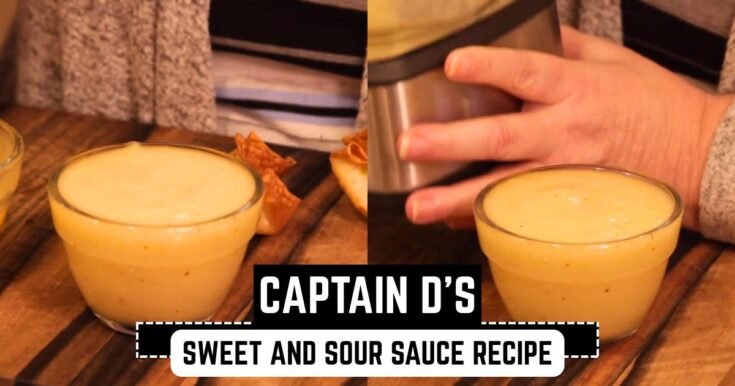
Captain D's Sweet And Sour Sauce Recipe at home in 10 minutes delivers a Sweet, tangy, smooth, and better-than-any-bottled-version you'll find.
Ingredients
- 1 cup crushed pineapple with juice (8 oz)
- 1 tablespoon pineapple juice (reserved for slurry)
- 2 tablespoons rice vinegar
- ¼ cup white sugar
- 2 teaspoons cornstarch
- ¼ teaspoon red pepper flakes (optional)
Instructions
- In a small bowl, whisk together 2 teaspoons of cornstarch with 1 tablespoon of the reserved pineapple juice. Stir until the cornstarch dissolves. This slurry helps make a smooth sauce. Don't add dry cornstarch directly to hot liquids, as it can clump.
- In a saucepan, mix crushed pineapple with its juice, 2 tablespoons of rice vinegar, and ¼ cup of sugar. Stir until the sugar dissolves. If you want some heat, add red pepper flakes. Heat the mixture over medium heat, stirring until it boils. Then add the slurry to improve flavor and help dissolve the sugar more effectively.
- Once the sauce boils, pour in the cornstarch slurry while stirring constantly. The sauce will thicken quickly. Keep stirring and let it boil for 1 to 2 minutes to help the cornstarch dissolve, giving the sauce a shiny, thicker appearance.
- If you want a smooth sauce without pineapple chunks, carefully pour the mixture into a blender and pulse until smooth. You can also use an immersion blender directly in the pot. This step is optional; some people prefer a chunkier sauce.
- Remove the sauce from the heat and let it cool for a few minutes. It will thicken more as it cools. Pour it into a serving dish or glass jar. You can use it right away or refrigerate it for later.
Nutrition Information:
Yield: 8 Serving Size: 1Amount Per Serving: Calories: 45
Captain D’s Sweet And Sour Sauce Recipe in under 10 minutes with easy ingredients. The sauce is smooth and shiny, balancing sweet and tangy flavors with a touch of savory. It’s better than store-bought sauces, and now you can make it at home.