
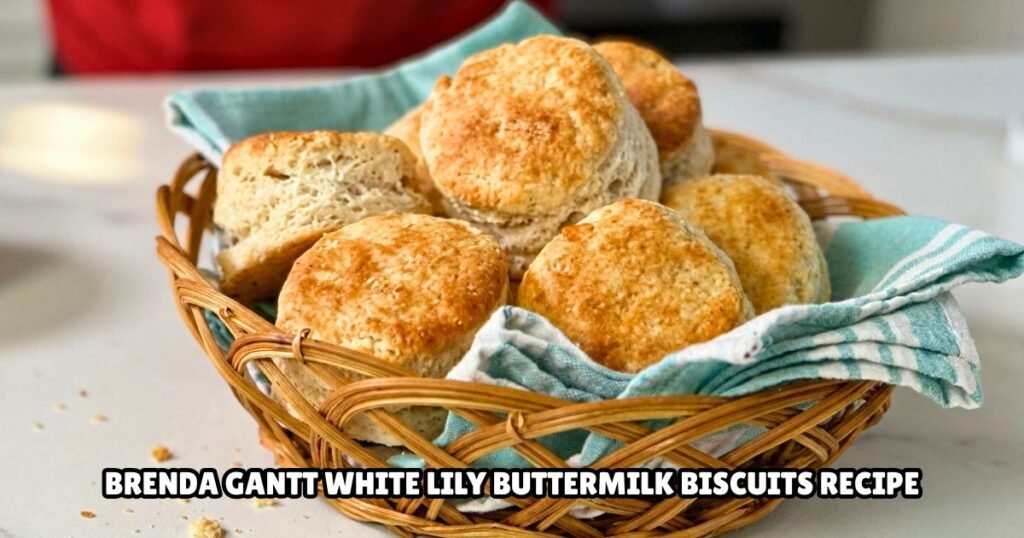
The smell of baking biscuits in a Southern kitchen in the morning is unique. The warm, buttery scent fills the house as the oven hisses and golden biscuit tops rise on a baking pan. It brings back childhood memories, like standing barefoot on cool kitchen floors while my grandmother mixed flour in a bowl without measuring cups.
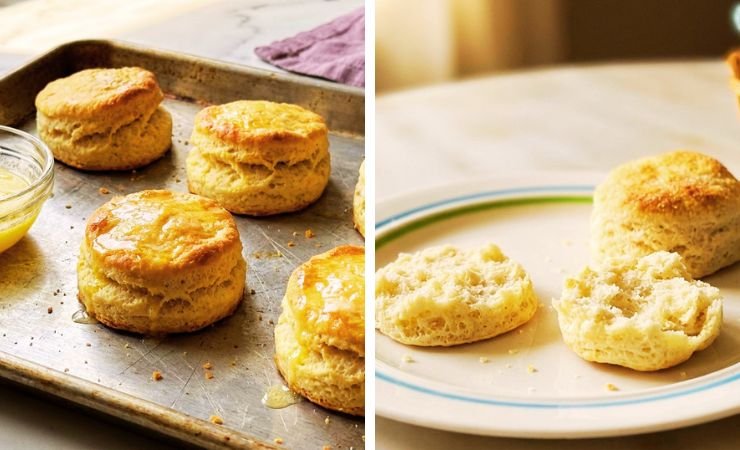
In our house, biscuits were not just a side dish; they were the main attraction at the table, starting conversations and providing comfort, which is why the Brenda Gantt White Lily Buttermilk Biscuits Recipe feels familiar to many. When made right, these biscuits open easily and let steam out while melted butter seeps into every layer.
Brenda Gantt’s dish connect with people because they look honest and homemade, not perfect like bakery biscuits. You can almost hear the crust crack when one breaks apart fresh from the oven.
Everything You Need to Know About White Lily Flour
White Lily flour differs from the flour most people use outside the South, and this change affects how dough behaves. It is made from soft winter wheat and has about 8-9% protein, which is lower than the 10-12% found in regular all-purpose flour. Check the White Lily packaging for exact numbers, but these are general estimates for soft and hard wheat flours.
The protein in flour forms gluten when mixed with liquid and worked. A lower-protein flour creates less gluten. Lower gluten levels result in a softer texture. This is why a biscuit made with White Lily breaks apart easily into tender flakes, unlike a more solid dinner roll.
Self-rising White Lily takes it a step further by adding baking powder and salt directly to the flour at the mill. This ensures that the leavening agents mix evenly in every scoop, rather than settling unevenly when added by hand.
If you can’t find a self-rising White Lily, you can still use standard all-purpose flour to make biscuits. Just add baking powder and salt, but the biscuits will turn out denser.
Why Buttermilk Is the Secret to Tender Biscuits
Buttermilk is key to making biscuits. It has two important roles. First, its acidity activates the baking powder in self-rising flour. This reaction releases carbon dioxide bubbles, which help the biscuits rise before baking. The acid in buttermilk also makes the biscuits more tender by breaking down some gluten strands.
Temperature matters too. Cold buttermilk keeps the butter solid until baking. When butter melts in the hot oven, it creates steam pockets that create flaky layers. If you use warm buttermilk, it can soften the butter too quickly, leading to flatter, denser biscuits.
If you need a substitute for buttermilk, mix a tablespoon of white vinegar or lemon juice into a cup of whole milk and let it sit for five minutes. It won’t taste as tangy as real buttermilk, but it will work similarly. Some Southern cooks use heavy cream instead, which makes biscuits richer, less tangy, and slightly lower in rise.

Ingredients for Brenda Gantt White Lily Buttermilk Biscuits
2 cups of White Lily self-rising flour: This flour has salt and leavening added, so you don’t need anything else. If you use plain all-purpose flour, add 1 tablespoon of baking powder and ½ teaspoon of salt for each cup.
¾ cup of cold buttermilk: Full-fat buttermilk tastes best, but low-fat is also okay. Keep it cold in the fridge until you use it. Don’t let it sit out too long.
¼ cup (half a stick) of cold butter, cut into small cubes: The butter should stay solid and in pea-sized pieces while mixing. If your kitchen is warm, put the cubes in the freezer for 10 minutes before starting. You can use vegetable shortening for flakier biscuits, mix butter with shortening, or use lard for a traditional flavor.
2 tablespoons of melted butter for brushing: Brush this on right after baking to give the tops a nice shine and flavor. Salted butter works best for this.
Kitchen Tools You’ll Need
- Mixing Bowl: Use a large mixing bowl to have enough space to work without making a mess with flour.
- Cutting Fat: You can use a pastry cutter, a fork, or your fingertips to cut cold fat into the flour. If you freeze the butter solid and grate it straight into the bowl, a box grater does this quickly.
- Biscuit Cutter: A 2.5-inch round biscuit cutter creates clean edges. If you don’t have one, you can use a floured drinking glass.
- Skillet vs. Baking Sheet: A cast-iron skillet heats evenly and creates a better crust than a baking sheet. However, a lined baking sheet works just as well.
- Pastry Brush: Use a pastry brush to evenly apply the butter topping.
- Bench Scraper: A bench scraper helps you fold and move dough without it sticking to your hands.
How to Make Brenda Gantt White Lily Buttermilk Biscuits
1. Chill everything first: Put the butter cubes in the freezer for 15 minutes before you start. Keep the buttermilk in the fridge until you need it. Cold fat helps create flaky layers. Skipping this step is the most common reason biscuits turn out flat.
2. Cut the fat into the flour: Add flour to a large bowl. Drop in the cold butter and press it in with a pastry cutter or your fingertips until the mixture resembles coarse crumbs, with pea-sized pieces of butter still visible. Work quickly so the butter doesn’t warm up from your hands.
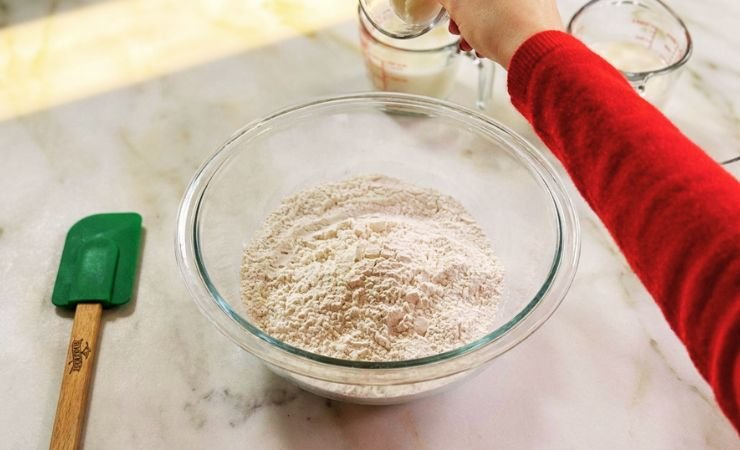
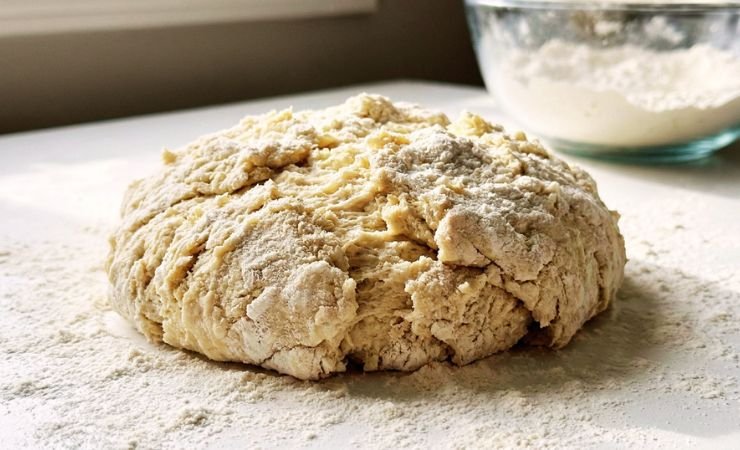
3. Add buttermilk: Pour in the cold buttermilk and stir gently with a fork until the dough comes together. It should look shaggy and a little rough; that’s correct. Stirring too much will build up gluten, which you don’t want.
4. Turn out and fold the dough: Dust a clean surface with flour, turn the dough out, and pat it into a rectangle about an inch thick. Fold it in half, pat it back out, and repeat this twice more. Folding builds the layers you’ll see when you pull a finished biscuit apart.
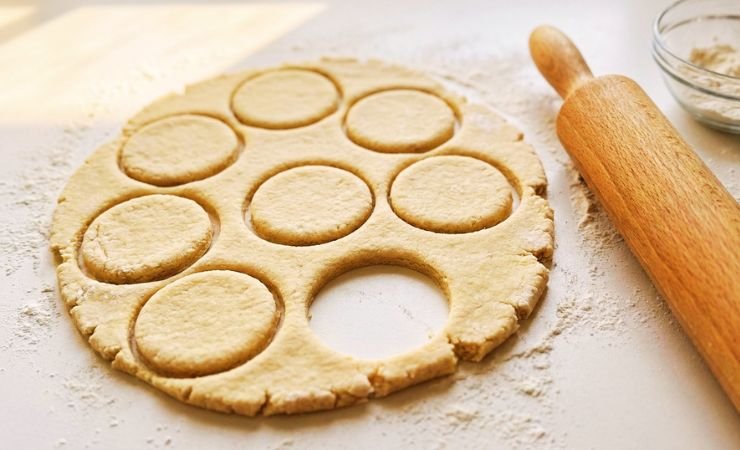
5. Cut the biscuits: Pat the dough to ¾ to 1 inch thick and press the cutter straight down without twisting; twisting seals the cut edge and prevents the biscuit from rising before it goes in the oven. Cut as many biscuits as you can from the first pass, then gently gather the scraps and cut the rest.
6. Arrange and bake: Place the biscuits in a cast-iron skillet or on a lined baking sheet. Touch them for soft sides, or leave an inch between them for crisper ones. Bake at 450°F for 12 to 15 minutes, until the tops are golden.
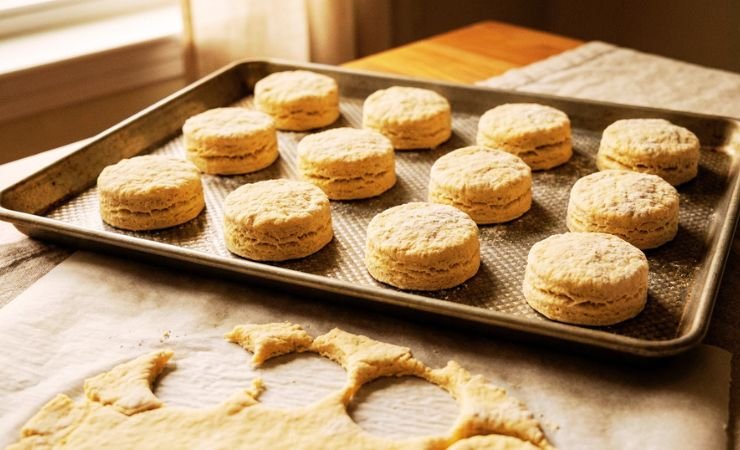
7. Brush and serve: Brush the tops with melted butter as soon as they come out of the oven, and serve them warm.
Troubleshooting Common Biscuit Problems
Flat Biscuits: If your biscuits are flat, it may be because the butter melted into the flour before baking, or because you rolled the dough with a pin rather than patting it by hand. Rolling presses out air pockets, which are important for rise.
Dense or Tough Biscuits: If your biscuits are dense or tough, you probably overmixed the dough. Stir only until the flour disappears and the dough looks shaggy. A smooth dough has too much gluten.
Biscuits Didn’t Rise: If your biscuits didn’t rise straight up, check how you used the cutter. Twisting it as you cut seals the edges, traps the layers, and prevents them from rising in the oven.
Dry Biscuits: If your biscuits are dry, you might have added too much flour while patting and folding. Dust the counter just enough to prevent sticking, but don’t knead in extra flour.
Pale Biscuits: If your biscuits are pale instead of golden, your oven may not be hot enough. They need to be baked at 450°F for 12 to 15 minutes to rise and brown properly. If your oven runs cool, check the temperature with an oven thermometer.
Fun Variations to Try with Brenda Gantt White Lily Buttermilk Biscuits
Cheddar Biscuits: Mix ¾ cup of shredded sharp cheddar into the dough just before adding buttermilk. The cheese melts into the biscuit, creating tasty pockets.
Garlic Butter Biscuits: Add ½ teaspoon of garlic powder to the flour. After baking, brush the tops with melted garlic-infused butter. These go well with soup or roast chicken.
Herb Biscuits: Stir in 2 teaspoons of fresh chopped rosemary, thyme, or chives into the dough for a flavorful biscuit.
Bacon Biscuits: Combine ¼ cup of finely chopped, cooked bacon with the butter cubes in the dough. The bacon will crisp as it bakes.
Drop Biscuits: Add a bit more buttermilk to loosen the dough. Drop spoonfuls onto the baking sheet instead of cutting rounds. They look rustic, take less time to prepare, and are just as tender.
Sweet Breakfast Biscuits: Mix in a tablespoon of sugar and a pinch of cinnamon. Split and fill with strawberry jam or honey butter.
Mini Biscuits: Use a small round cutter for bite-size portions; they bake in about 10 minutes and pair well with a large spread.
What to Serve With Brenda Gantt White Lily Buttermilk Biscuits
These biscuits fit perfectly on a Southern breakfast table with scrambled eggs and crispy bacon. Pour sausage gravy over a split biscuit for a classic Southern dish; the dough can hold up under the gravy without getting soggy.
For a sweeter option, try homemade strawberry preserves, apple butter, or local honey. At a larger meal, a basket of these biscuits alongside butter beans, collard greens, and mashed potatoes will soak up any leftover gravy.
You can also split and fill them with egg, cheese, and sausage for a convenient breakfast sandwich.
How to Store and Reheat Buttermilk Biscuits
Baked biscuits can stay soft for up to 2 days when stored in an airtight container or wrapped tightly in foil. Only refrigerate them if you plan to store them for more than 2 days, as the fridge will dry them out. In a sealed container, they can last 3 to 5 days, but their quality may decrease over time.
To reheat, place them in a 350°F oven for about 8 minutes or split them and toast in a skillet with a little butter.
If you want to freeze the biscuits, allow them to cool completely, wrap each one individually, and put them in a freezer bag. They can be stored this way for up to 3 months. To reheat from frozen, use a 350°F oven for 12 to 15 minutes.
For freezing unbaked biscuits, cut them first, then freeze them flat on a baking sheet until solid. After that, transfer them to a bag, where they can stay for up to 2 months. Bake from frozen at 450°F, adding 3 to 5 extra minutes for cooking time.
Tips for Tall, Flaky Layers
To make tall biscuits, focus on three things: cold fat, proper folding, and high heat. When cold butter hits a 450°F oven, it quickly releases steam. This steam helps to separate and lift the layers.
Make sure the dough is at least ¾ inch thick, closer to a full inch for taller biscuits, since thin dough won’t rise much. Place cut biscuits close together or touching on the pan so they push up rather than spread out.
Frequently Asked Questions
1. Can I use a food processor to mix in butter?
Yes, you can pulse the butter into the flour until it looks like a coarse meal. Do this in short bursts, then move it to a bowl before adding buttermilk. This method is quicker than using a pastry cutter, but be careful, as the blade can warm the butter. Keep your pulses short.
2. Do I have to use a round cutter?
No. You can use a floured drinking glass instead, as long as you don’t twist it, just like you wouldn’t with a proper cutter.
3. Can I make the dough in advance?
You can keep cut biscuits in the fridge, unbaked, for a couple of hours. If you leave them longer, the leavening loses its effectiveness. For longer storage, freeze them according to the freezing instructions above.
4. Why brush butter on after baking instead of before?
Brushing butter on before baking can help prevent browning and keep the tops soft rather than crispy. Brushing it after baking, while the biscuits are still hot, gives them a shiny finish and allows the butter to soak in without affecting the rise.
Brenda Gantt White Lily Buttermilk Biscuits Recipe

Master Brenda Gantt White Lily Buttermilk Biscuits Recipe: cold butter, tangy buttermilk, and simple folds for tall, flaky layers every time.
Ingredients
- 2 cups White Lily self-rising flour
- ¾ cup cold buttermilk
- ¼ cup (½ stick) cold butter, cubed
- 2 tablespoons melted butter, for brushing
Instructions
- Put the butter cubes in the freezer for 15 minutes before you start. Keep the buttermilk in the fridge until you need it. Cold fat helps create flaky layers. Skipping this step is the most common reason biscuits turn out flat.
- Add flour to a large bowl. Drop in the cold butter and press it in with a pastry cutter or your fingertips until the mixture resembles coarse crumbs, with pea-sized pieces of butter still visible. Work quickly so the butter doesn't warm up from your hands.
- Pour in the cold buttermilk and stir gently with a fork until the dough comes together. It should look shaggy and a little rough; that's correct. Stirring too much will build up gluten, which you don't want.
- Dust a clean surface with flour, turn the dough out, and pat it into a rectangle about an inch thick. Fold it in half, pat it back out, and repeat this twice more. Folding builds the layers you'll see when you pull a finished biscuit apart.
- Pat the dough to ¾ to 1 inch thick and press the cutter straight down without twisting; twisting seals the cut edge and prevents the biscuit from rising before it goes in the oven. Cut as many biscuits as you can from the first pass, then gently gather the scraps and cut the rest.
- Place the biscuits in a cast-iron skillet or on a lined baking sheet. Touch them for soft sides, or leave an inch between them for crisper ones. Bake at 450°F for 12 to 15 minutes, until the tops are golden.
- Brush the tops with melted butter as soon as they come out of the oven, and serve them warm.
Nutrition Information:
Yield: 12 Serving Size: 1Amount Per Serving: Calories: 180
Brenda Gantt White Lily Buttermilk Biscuits Recipe emphasizes the importance of temperature and how you handle the dough, rather than the number of ingredients. Keep the butter and buttermilk cold. Handle the dough as little as possible.
Do not twist the cutter to get the best results. Make a plain batch each week and pay attention to the dough’s texture; your skills will improve with practice.