

In southern potlucks, squash casserole is always a favorite and disappears quickly. In South Alabama, my grandmother made a version similar to Brenda Gantt’s Squash Alabama Casserole Recipe.
I remember watching her make it one hot July morning when I was around eight years old. The kitchen was warm from the oven, and we had a fan on. My job was to crush saltine crackers in a paper sack with a rolling pin.
Once, I hit the sack too hard, and cracker dust flew everywhere. She laughed, cleaned it up, and told me to take my time.
That casserole became the dish my cousins always wanted at family reunions. Years later, I still make my version, and the pan always comes back empty, just like back then.
Why This Southern Squash Casserole Works So Well
Squash casserole is a popular dish in the South because it uses simple ingredients to make something delicious. This recipe features tender squash that turns golden while baking.
The filling is soft, and the top is crispy, making it a favorite that many want to enjoy again. This casserole is great for large gatherings since it cooks in one dish and tastes good even after sitting for an hour.
Unlike other squash bakes that use canned soup, this recipe uses fresh ingredients. This is what makes it special and a perfect choice for holiday dinners and potlucks.
What Type of Squash Is Best for Casserole?
Young yellow squash is the best choice for a casserole. Smaller squash has thinner skin, fewer seeds, and a sweeter taste. You can use larger squash if needed, but be sure to remove the seedy center first.
Fresh squash is better than frozen because frozen squash contains more water, which doesn’t drain well. Zucchini has darker skin, a milder flavor, and more water than yellow squash.
If you use zucchini, the casserole will be less sweet and softer because zucchini breaks down faster in the skillet. A mix of both types works well, but an all-zucchini version needs extra draining time.

Ingredients for Brenda Gantt’s Squash Alabama Casserole
2 ¾ pounds yellow squash (about 6 medium): This is the backbone of the dish, so choose squash that feels heavy for its size with pale yellow skin.
1 medium Vidalia onion, chopped: The onion steams down with the squash and adds a mild sweetness that balances the cheese and butter. I’ve grabbed the wrong bag at Kroger before, since sweet and regular onions look alike.
1 sleeve Ritz crackers (about 34 crackers), divided: These crackers bind the filling and form the crunchy top layer once crushed and buttered. I keep original Ritz on hand, since low-sodium won’t crisp the same way.
2 cups shredded sharp cheddar cheese, divided: Sharp cheddar melts into the filling and browns into small crisp spots on top. Block cheese, shredded by hand, melts smoother than pre-shredded bags.
2 large eggs, beaten: Eggs hold the filling together once the casserole sets, so one too many or too few changes the texture.
½ cup whole milk: Milk thins the egg mixture just enough to coat the squash without turning the filling soupy. Whole milk sets up richer than 2% here.
6 tablespoons unsalted butter, melted, plus 2 tablespoons cut into small pieces for the top: Melted butter carries richness through the filling, while the dotted pieces help the topping brown instead of drying out. I use Land O’Lakes.
¾ teaspoon salt: Salt pulls out the natural sweetness in the squash and onion, so the dish tastes flat without it.
Scant ½ teaspoon black pepper: A small amount rounds out the richness from the butter and cheese without turning the dish spicy.
Equipment to Make Brenda Gantt’s Squash Alabama Casserole
- Large skillet: for steaming squash and onion
- Colander: for draining excess moisture
- Large mixing bowl: for combining the filling
- 9×13 baking dish: standard size for baking
- Rolling pin or food processor: for crushing crackers
- Rubber spatula: for spreading the filling smooth
- Measuring cups and spoons: for exact amounts
How to Make Brenda Gantt’s Squash Alabama Casserole
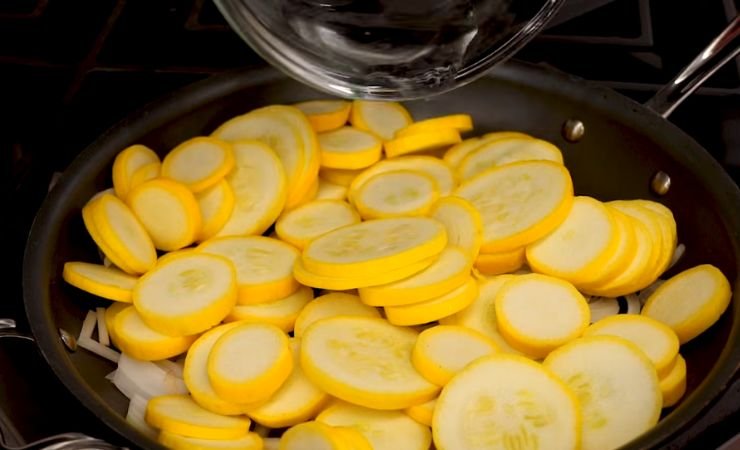
1. Cook the Squash and Onion: In a large skillet, combine sliced squash and chopped onion with about ¼ cup of water. Cook over medium heat, stirring occasionally, until the squash is tender and slightly golden, about 8 minutes. It should bend easily when pressed.
If it smells sweet, it’s almost done. Avoid overcooking, as it can turn stringy; check around the 6-minute mark.
2. Drain thoroughly: Pour the squash and onion into a colander in the sink. Let it sit for 5 minutes. Press gently with a spoon to remove extra liquid. This step helps keep the casserole from becoming watery.
Allow the drained squash to cool on the counter for about 10 minutes.
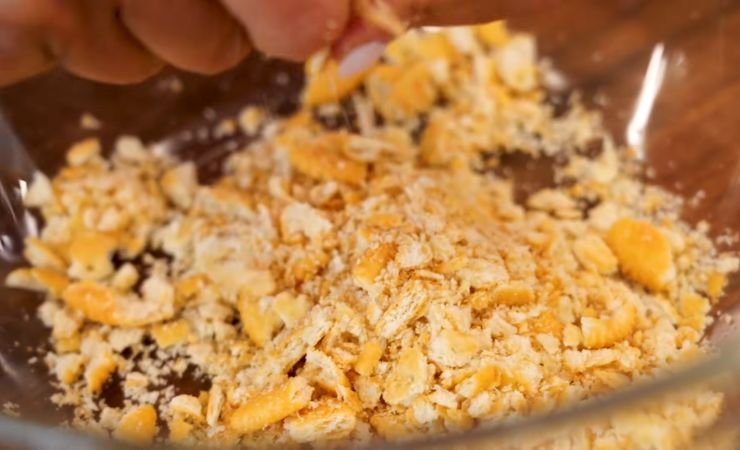
3. Crush the Crackers: Crush about 34 Ritz crackers into coarse crumbs using a rolling pin over a sealed bag or pulse them in a food processor. Set aside a third of the crumbs for topping. Aim for pea-sized pieces instead of fine dust, as dust can make the topping pasty.
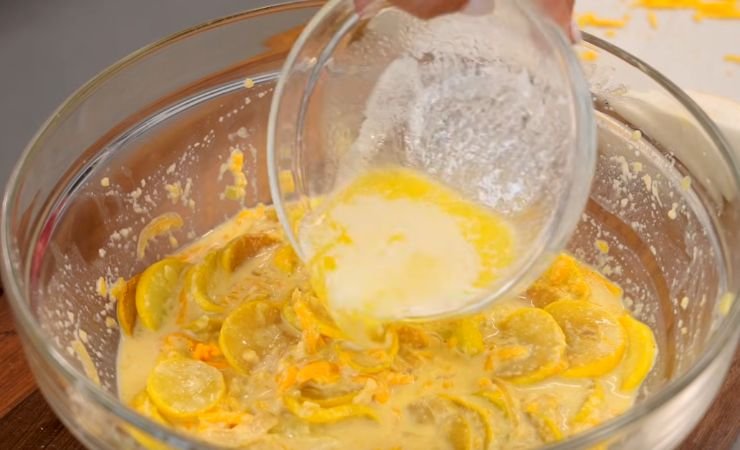
4. Mix the Filling: In a large bowl, stir together beaten eggs, milk, melted butter, salt, and pepper. Add the cooled squash and onion, 1 ½ cups of cheese, and two-thirds of the cracker crumbs. Stir gently until well coated.
Make sure the squash is close to room temperature when mixing to avoid scrambling the eggs.

5. Assemble the Casserole: Spread the filling into a greased 9×13 baking dish and smooth the top with a spatula. evenly scatter the remaining cracker crumbs and the last ½ cup of cheese on top. Dot small pieces of extra butter over everything so it melts while baking.
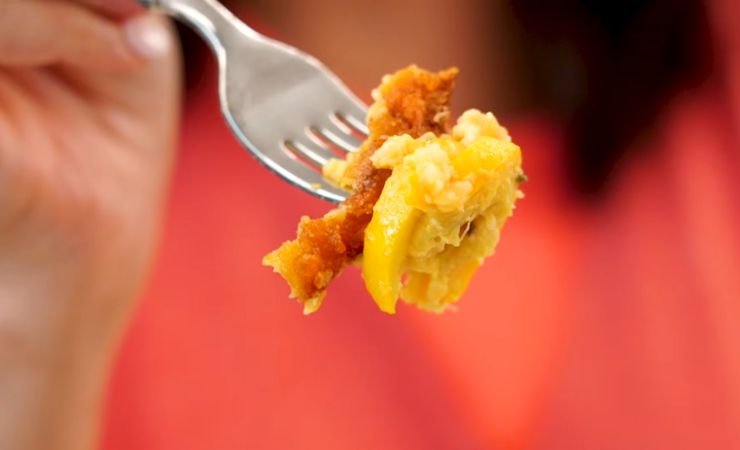
6. Bake Until Set: Bake at 350°F for 32 to 35 minutes. The center should stop jiggling when nudged, and the top should turn deep golden brown with some darker spots where the cheese has crisped.
Let the casserole rest on the counter for 8 to 10 minutes before serving, so it firms up and holds a clean slice.
Quick Fixes for Common Trouble Spots
- Watery casserole: Usually means the drain step got rushed. Give the squash a full 5 minutes in the colander.
- Mushy texture: Comes from cooking the squash past tender in the skillet. Pull it off sooner, at slight resistance.
- Falls apart when sliced: Usually too little egg, or the center didn’t fully set. Add one more egg, or bake longer.
- Dry casserole: Comes from too little milk or butter, or baking past 35 minutes.
- Top browns before the center sets: Lay foil loosely over the dish, then keep baking until it stops jiggling.
- Scrambled bits in the filling: Happens when squash goes into the eggs while still warm.
My Small Habits That Make the Difference
- Pick squash smaller than your palm: They carry fewer seeds and a sweeter taste.
- Stop cooking the squash a minute early: It keeps cooking in the oven, so slightly firm now means tender later.
- Press the colander hard: A light drain isn’t enough. Push down with a spoon until the liquid stops running out.
- Keep the cheese to 2 cups total: Much more and the filling turns greasy instead of creamy.
- Go easy on the topping: A thick layer of crumbs steams instead of browning.
- Let it sit before cutting: 8 to 10 minutes on the counter lets the filling firm up so slices hold together.
Easy Squash Casserole Variations
Smoky Bacon Squash Casserole: Cook 4 slices of chopped bacon in the skillet before adding the squash, and use the drippings instead of water. It adds a smoky edge that pairs well with lamb chops.
Jalapeño Cheddar Version: Stir in 1 diced jalapeño, seeds removed, with the onion, and swap half the cheddar for pepper jack. This one goes on the table whenever my brother-in-law visits.
Cornbread Topping Swap: Trade the cracker topping for 1 cup of coarse cornbread crumbs mixed with melted butter. It gives the top a heartier, crumbly texture that works well next to fried chicken.
Squash and Corn Casserole: Fold in 1 cup of fresh corn kernels with the squash before baking. I lean on this version in August, when corn is cheap at the farm stand.
Extra Herb Version: Mix in 1 tablespoon of chopped fresh dill or basil with the eggs. It brightens the dish for a spring dinner.
What to Serve With Brenda Gantt’s Squash Alabama Casserole
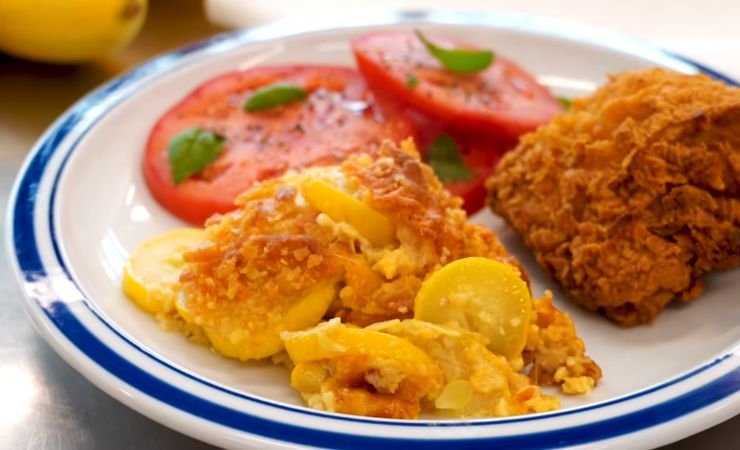
This casserole pairs well with fried chicken, as the crunchy topping resembles the golden crust and the soft filling balances the heat. It also goes nicely with roast chicken, especially if you add some pan juices before serving.
For holiday meals, serve it alongside sliced turkey or a slow-cooked pot roast. Complete the meal with Southern vegetables like green beans with bacon or fried okra. A side of cornbread can soak up extra juices from the casserole.
During the holidays, this dish complements mashed potatoes, dressing, and cranberry sauce without trying to overshadow them.
For a satisfying Sunday dinner, serve a freshly roasted chicken with this casserole and cornbread, and add green beans on the side. This combination gives you a vegetable, a starch, and a main dish all in one meal.
Storing, Freezing & Reheating Tips
Leftover casserole can be stored in the refrigerator for 3 to 4 days if you keep it in an airtight container. It’s best to transfer it from the baking dish to a container with a lid instead of just covering it with foil. Foil can cause moisture to build up on the topping.
To reheat a whole casserole, warm it in a 325°F oven for about 20 minutes. Cover it loosely with foil for the first 15 minutes, then remove the foil so the topping can get crispy again.
For a single serving, you can microwave it for about 90 seconds. If you want the topping to be crunchy again, put it under the broiler for a couple of minutes afterward.
Freezing the casserole is better done before baking. You should prepare the filling, skip the topping, and wrap it tightly for freezing up to 2 months.
To use a frozen casserole, thaw it overnight in the refrigerator. After thawing, add the topping and bake according to the recipe, adding an extra 8 to 10 minutes since it will be cold. A casserole that was frozen after baking may turn watery when thawed.
Frequently Asked Questions
1. Can I use a food processor instead of a rolling pin for the crackers?
Yes, a few pulses work well and save time. Use short bursts to keep the crumbs coarse. Fine crumbs won’t crisp as nicely.
2. Do I need to peel the squash first?
No, you do not need to peel yellow squash. Its thin skin becomes soft during cooking, so peeling removes color and texture from the dish.
3. Is this casserole spicy?
No, the recipe is not spicy. It only includes salt and pepper, so it gets its flavor from the squash, cheese, and butter. If you want some heat, add a pinch of cayenne or a diced jalapeño with the onion.
4. Can I use a hand mixer to combine the filling?
No, it’s better to use a spoon or spatula. A hand mixer will break down the squash too much and make the filling closer to a puree.
5. How long can this sit out at a potluck table?
It can sit out for two hours at room temperature. After that, refrigerate any leftovers, especially on warm days.
Brenda Gantt’s Squash Alabama Casserole Recipe

Make Brenda Gantt’s Squash Alabama Casserole Recipe with tender yellow squash, cheddar, buttery crackers, and a golden crispy topping.
Ingredients
- 2¾ pounds yellow squash, sliced
- 1 medium Vidalia onion, chopped
- 1 sleeve (about 34 crackers) Ritz crackers, divided
- 2 cups sharp cheddar cheese, shredded and divided
- 2 large eggs, beaten
- ½ cup whole milk
- 8 tablespoons unsalted butter, divided
- ¾ teaspoon salt
- scant ½ teaspoon black pepper
- ¼ cup water, for cooking the squash and onion
Instructions
- In a large skillet, combine sliced squash and chopped onion with about ¼ cup of water. Cook over medium heat, stirring occasionally, until the squash is tender and slightly golden, about 8 minutes. It should bend easily when pressed.
- If it smells sweet, it’s almost done. Avoid overcooking, as it can turn stringy; check around the 6-minute mark.
- Pour the squash and onion into a colander in the sink. Let it sit for 5 minutes. Press gently with a spoon to remove extra liquid. This step helps keep the casserole from becoming watery.
- Allow the drained squash to cool on the counter for about 10 minutes.
- Crush about 34 Ritz crackers into coarse crumbs using a rolling pin over a sealed bag or pulse them in a food processor. Set aside a third of the crumbs for topping. Aim for pea-sized pieces instead of fine dust, as dust can make the topping pasty.
- In a large bowl, stir together beaten eggs, milk, melted butter, salt, and pepper. Add the cooled squash and onion, 1 ½ cups of cheese, and two-thirds of the cracker crumbs. Stir gently until well coated.
- Make sure the squash is close to room temperature when mixing to avoid scrambling the eggs.
- Spread the filling into a greased 9×13 baking dish and smooth the top with a spatula. evenly scatter the remaining cracker crumbs and the last ½ cup of cheese on top. Dot small pieces of extra butter over everything so it melts while baking.
- Bake at 350°F for 32 to 35 minutes. The center should stop jiggling when nudged, and the top should turn deep golden brown with some darker spots where the cheese has crisped.
- Let the casserole rest on the counter for 8 to 10 minutes before serving, so it firms up and holds a clean slice.
Nutrition Information:
Yield: 10 Serving Size: 1Amount Per Serving: Calories: 350
This Brenda Gantt’s Squash Alabama Casserole Recipe is a favorite and often appears at many gatherings throughout the year. It’s served on Thanksgiving next to turkey, at Sunday dinners, and it’s great for summer cookouts and potlucks.
After you make it once, people will likely ask for it by name at every barbecue.