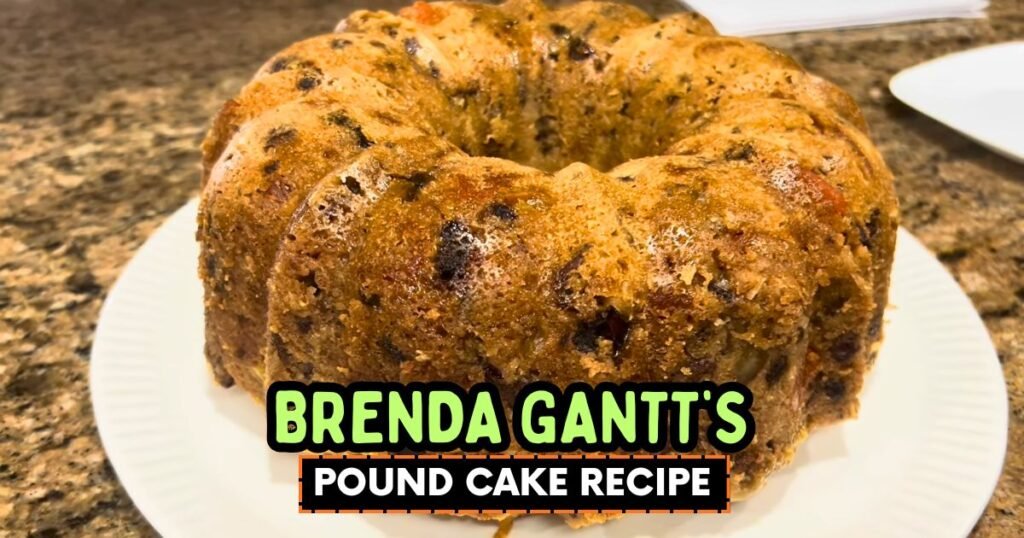
When I first heard about orange slice cake, I thought it was just another dessert. I was surprised to learn that the chewy orange slice candies, which remind me of childhood, make it special. Instead of melting, they soften in the batter, creating sweet bursts and a dense texture.
Brenda Gantt Pound Cake Recipe highlights the cake’s old-fashioned charm. It’s rich, moist, and filled with chopped orange slices, shredded coconut, and nuts that balance the sweetness. A simple glaze adds flavor without needing fancy frosting.
This dish is ideal for everyday life. It works well as a make-ahead dessert that tastes even better with time, and you can easily swap ingredients. Whether for holidays or special occasions, it’s a reliable favorite that never disappoints. Its richness matches its simplicity, making it a classic treat.
What Makes This Southern Candy Cake So Special
Brenda Gantt Pound Cake is a dense Southern dessert made with chewy orange slice candies, shredded coconut, chopped pecans, and sugared dates. This recipe is part of Deep South baking traditions, often handed down from grandmothers to daughters. Brenda included it in her first cookbook and has suggested it for Thanksgiving and Christmas for many years.
People often ask if it’s a fruitcake or a regular cake. It’s a bit of both. It uses candy and dried fruit like a fruitcake but has more structure and a denser crumb. It’s also not expensive to make since most ingredients are pantry staples, and orange slice candies are easy to find at grocery stores.
Temperature is important for this cake. Baking it slowly at 250°F keeps moisture in, protects the chewy candy from burning, and builds a firm yet tender structure. Using room temperature eggs and buttermilk also helps the batter stay smooth and bake evenly.
Orange slice candies are key to this recipe. They are sugar-coated, fruit-flavored gummy candies that hold their shape while baking. They add fruity sweetness and a slightly chewy texture, making this cake unique on the dessert table.
Two Styles, One Classic – Which Version Is This?
Not every orange slice cake is the same. There are two main types: a lighter cake made with a simple batter and some candy pieces, and a denser version, like fruitcake, filled with mix-ins. Brenda Gantt makes the denser, more traditional version.
This version is lighter than a classic fruitcake because it doesn’t use an alcohol soaking syrup; instead, it has a simple orange juice glaze. It has more texture than a pound cake and features chunky add-ins rather than a smooth, buttery crumb. A typical fruitcake uses dried fruits soaked in alcohol and is very compact.
In contrast, this cake uses candy and fresh coconut, making it sweeter and more enjoyable for most people. Ree Drummond’s baking style focuses on comfort food and uses simpler techniques with fewer special ingredients. Brenda Gantt’s orange slice cake takes more time to make and has more mix-ins, resulting in a richer flavor.
Both cakes are Southern, but Brenda’s version is more connected to traditional Southern baking.

How Close Is This to Brenda Gantt’s Original?
I’m sharing a recipe that follows the approach Brenda Gantt shows in her videos and in her first cookbook. Some online versions change the sugar amount, swap nuts, or leave out the sugared dates. A few also remove the orange juice glaze, which helps keep the cake moist and fresh.
In her video, Brenda uses 2 cups of sugar for the batter, but prefers 1½ cups to make it less sweet is a reasonable change; using less sugar can make the cake a bit softer, but it still holds together well because of the dense mix-ins. It’s important to balance the fruit and batter. If you add too many mix-ins, the batter can’t support them.
If you add too few, the cake loses its flavor. Stick closely to the measured amounts, especially the first time you bake it. One important step is the two-step glaze process. Brush the top of the cake while it’s warm, then seal the sides after it cools, which keeps the cake moist for several days.
Ingredients for Brenda Gantt Pound Cake
For the Cake
2 sticks (1 cup) salted butter, softened: Use softened salted butter to make the cake richer. Make sure it is fully softened, not melted, so it mixes well with the sugar. You can use unsalted butter, but add a bit more salt to the batter.
2 cups granulated white sugar: This is the full amount from the original recipe. It sweetens the batter and helps create a dense, moist cake. If you want less sweetness, you can reduce the sugar to 1½ cups without affecting the cake’s structure.
4 large eggs, room temperature: Use eggs at room temperature for better mixing into the batter and even baking. Take them out of the fridge at least an hour before baking. Cold eggs can affect the texture and baking time.
3 1⁄2 cups White Lily all-purpose flour: White Lily flour is a Southern soft winter wheat flour that makes lighter baked goods. You can substitute with regular all-purpose flour, but the cake might be denser.
½ cup whole buttermilk, room temperature: Buttermilk makes the cake tender and adds a nice tang. It helps the cake rise when mixed with baking soda. If you don’t have buttermilk, mix whole milk with a splash of white vinegar or lemon juice.
1 teaspoon baking soda: Add this to the buttermilk, not the flour. It helps the cake rise when mixed in.
1 pound orange slice candies, cut into small pieces: These chewy, sugar-coated fruit candies should be cut into small pieces using scissors dipped in flour. Store-brand versions work just as well.
1 cup shredded sweetened coconut: Coconut adds texture and mild sweetness. Unsweetened coconut can be used if you want more control over sweetness.
2 cups chopped pecans: Pecans add crunch and a buttery flavor. If you can’t find pecans, walnuts can be used, though they may be slightly more bitter.
1 package (8 oz) sugared dates, chopped: Sugared dates provide a deep sweetness and chewy texture. Make sure to use sugared dates; the sugar helps keep them from clumping in the batter.
For the Orange Glaze
1 1⁄2 to 2 cups granulated sugar: Dissolves into the orange juice to make simple syrup. Use 1½ cups for a lighter glaze or 2 cups for a thicker seal on the cake.
Juice of 2 large navel oranges (about ¼ cup, plus a splash of water): Fresh-squeezed juice adds a bright flavor to the glaze. You can also use bottled 100% orange juice; use what you need and save the rest for later.
My Go-To Tools for Getting This Right
- Use a tube pan; a bundt pan will not release this cake cleanly.
- Cut a circle of parchment paper for the bottom to help prevent sticking.
- Use kitchen scissors; they are easier than a knife for cutting candy.
- Keep a small bowl of flour for dipping the scissors between cuts.
- Use a stand mixer or a hand mixer to cream the butter and sugar until smooth.
- Get a large mixing bowl big enough to mix all the ingredients with the flour.
- Use a toothpick or skewer to poke holes for the glaze to soak in.
- A pastry brush helps you spread the glaze on the cake.
- An instant-read thermometer lets you check whether the cake is done without guessing.
- Use a wire cooling rack to let air circulate under the cake.
How to Make Brenda Gantt Pound Cake
1. Prepare the Pan: Grease a tube pan with shortening or butter. Line the bottom with parchment paper and lightly dust with flour. Preheat the oven to 250°F.
2. Cut the Candies: Use floured scissors to cut the orange slice candies into small pieces, about ½ inch or smaller. Set them aside.
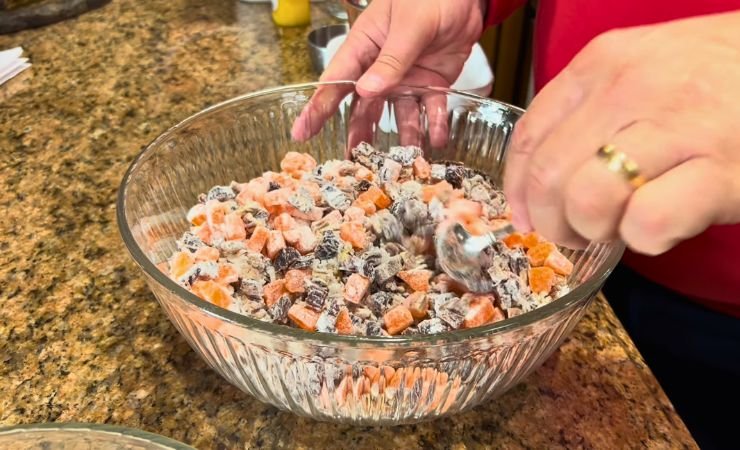
3. Mix the Ingredients: In a large bowl, combine chopped pecans, shredded coconut, diced dates, and the orange slice candies. Add 3½ cups of flour and mix everything until well coated, which helps keep the candied fruit from sinking to the bottom.
4. Make the Batter: In a mixer, beat 2 sticks of softened butter and 2 cups of sugar until creamy, about 3-5 minutes. Add the eggs one at a time, mixing until smooth and fluffy. In a separate bowl, mix ½ cup of buttermilk with 1 tsp of baking soda. When it bubbles, stir it into the butter mixture until just combined.
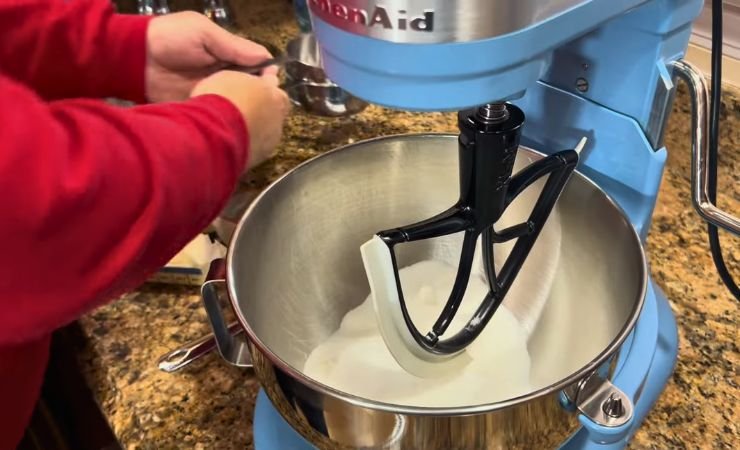
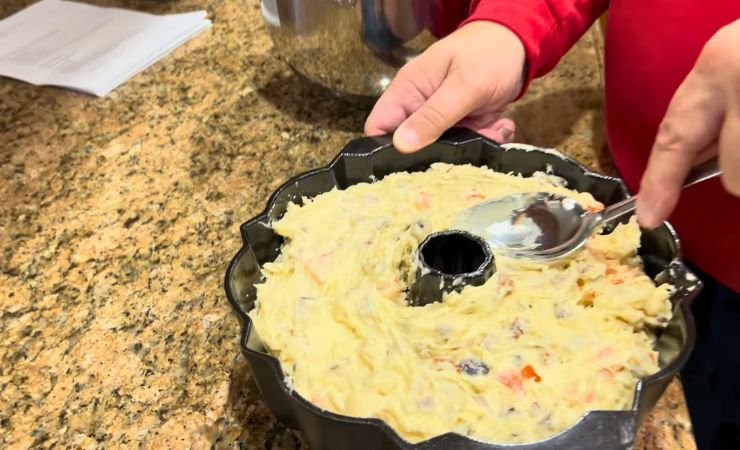
5. Combine Batter and Mix-Ins: Add the wet batter to the flour-coated mix-ins and stir until no dry flour remains. Spoon the batter into the pan and press down to remove air pockets. Bake for 2½ to 3 hours at 250°F. Check with a toothpick to see if it’s done.
6. Make the Glaze: In a saucepan, mix sugar and fresh orange juice. Heat until the sugar dissolves, then boil for 1 minute. While the cake is warm, poke holes in it and pour half of the glaze over. Let it sit in the pan for at least 2 hours.
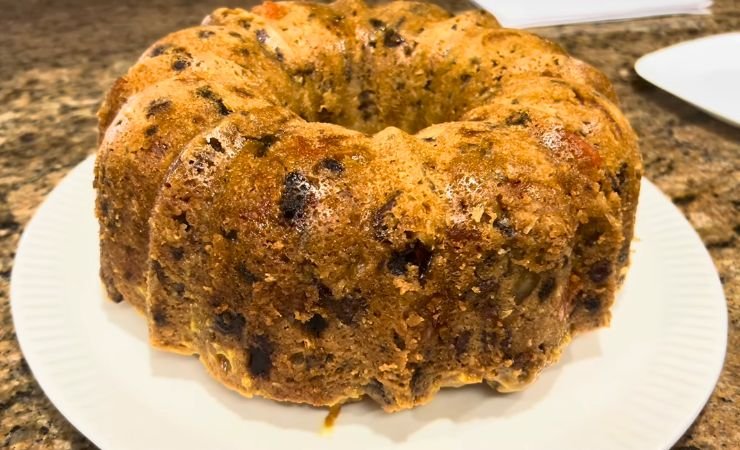
7. Finish the Cake: Loosen the cake from the pan, remove the parchment, and brush the warm glaze over the sides and bottom. Let the cake cool completely on a wire rack before covering it, which prevents moisture buildup.
Baking Fixes – Tips and Mistakes to Avoid
Dry Cake: If your cake is dry, you may have skipped or hurried the glaze. Apply the first layer while the cake is warm so it absorbs well. Seal the sides after removing them from the pan. This two-step process keeps moisture in for days.
Too Dense or Heavy: A heavy cake may mean the baking soda didn’t react well with the buttermilk. Mix the baking soda into the buttermilk well until it nearly doubles in size. If it doesn’t bubble, the baking soda might be old, so replace it.
Candy Melting or Disappearing: Large candy pieces may melt into the batter, leaving it to disappear. Cut the orange slices into small pieces and coat them well in flour to help them hold their shape while baking.
Cake Sticking to Pan: Even a greased tube pan can make the cake stick. Line the bottom with parchment paper to make it easier to remove and prevent sticking.
Crumbly Texture: Don’t Overbake: A crumbly cake usually means it was baked too long. Start checking at 2½ hours. The outside should feel firm but not hard before you take it out.
Burnt Outside: If the outside is dark but the center is wet, your oven might be too hot. Use an oven thermometer to check the temperature. The cake should bake evenly at 250°F.
Sticky or Gummy Texture: Cutting the cake while it’s warm can make it gummy inside. Let it cool for several hours before slicing; the texture improves as it cools.
Candy Clumping: If your orange candy pieces stick together, they didn’t get enough flour. Separate each piece by hand before adding it to the batter.
Prevent Candy Sinking: After tossing candy pieces in flour, check for any that are bare. Any piece without flour can sink. Re-coat if needed before adding to the batter.
Fun Ways to Change Up This Recipe
Cake Mix Version: Using a yellow or butter cake mix as a base is a cost-effective shortcut that saves time. It’s a good choice for a quick dessert. However, a homemade cake has a richer flavor and a denser texture that better holds mix-ins. If you use cake mix, make sure to coat the candy and mix-ins in flour, as that step remains the same.
Cupcakes and Mini Cakes: You can bake this batter in a muffin tin for individual servings. Fill each cup about two-thirds full, then bake for 35 to 45 minutes at 250°F. They make great homemade gifts and are easier to transport than a whole cake.
Reduced Sugar Version: To reduce sugar, cut it to 1½ cups and use unsweetened coconut instead of sweetened. The cake will still taste sweet from the candy and dates. The texture will remain dense and moist as long as you use at least 1¼ cups of sugar.
What to Pair and Serve Alongside This Cake
This cake is rich and filling, so you don’t need much with it. A small scoop of vanilla ice cream or a bit of lightly sweetened whipped cream goes well without overshadowing the cake’s flavor.
Because it is dense, cut this cake into thin slices; it serves more people than it seems. It pairs nicely on a dessert table with simple cookies like shortbread or snickerdoodles, since those won’t compete for attention. Pecan sandies also match well because of the nut flavor in the cake.
If you have leftover slices, wrap them in plastic wrap and store them at room temperature for a snack. You can also warm them for a few seconds and enjoy them with coffee or tea the next morning. The flavors actually improve overnight, so the slices on day two might taste even better.
If you find leftover orange slice candies after cutting, you can add them to cookie dough, stir them into Rice Krispies treats, or chop them finely and mix them into basic sugar cookies. They bring chewy bursts of sweetness to any baked good that needs a little extra fun.
How to Store It and How Long It Lasts
This cake actually gets better over time. The glaze soaks in, the flavors combine, and the texture firms up, making cleaner slices. Days 2 and 3 are often tastier than the day it’s baked. Store this cake at room temperature, covered with a dome or tightly wrapped in plastic wrap. The fridge can dry it out faster than keeping it at room temperature.
As long as your kitchen isn’t too hot, room temperature is best. When sealed with the orange glaze and kept covered at room temperature, this cake stays fresh for up to 2 weeks. The glaze helps keep moisture in. This cake also freezes well. Brenda Gantt suggests it.
Brenda Gantt Pound Cake Recipe
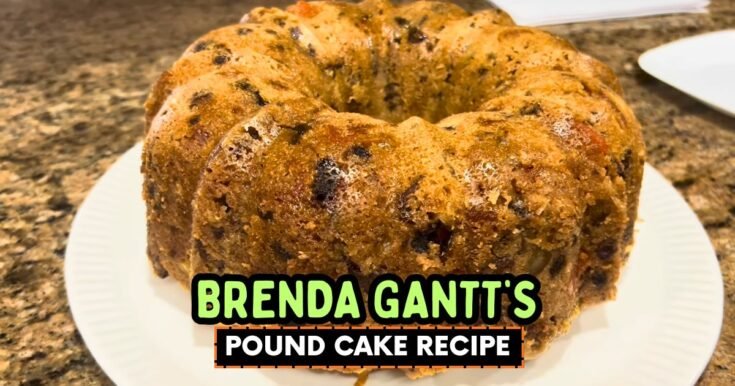
Try Brenda Gantt Pound Cake Recipe — a dense, old-fashioned Southern cake loaded with candy, coconut, pecans, and a sweet orange glaze.
Ingredients
For the Cake:
- 2 sticks (1 cup) salted butter, softened
- 2 cups granulated white sugar
- 4 large eggs, room temperature
- 3½ cups White Lily all-purpose flour
- ½ cup whole buttermilk, room temperature
- 1 tsp baking soda
- 1 lb orange slice candies, cut into small pieces
- 1 cup shredded sweetened coconut
- 2 cups chopped pecans
- 1 package (8 oz) sugared dates, chopped
For the Orange Glaze:
- 1½ to 2 cups granulated sugar
- Juice of 2 large navel oranges (~¼ cup, plus a splash of water)
Instructions
- Grease a tube pan with shortening or butter. Line the bottom with parchment paper and lightly dust with flour. Preheat the oven to 250°F.
- Use floured scissors to cut the orange slice candies into small pieces, about ½ inch or smaller. Set them aside.
- In a large bowl, combine chopped pecans, shredded coconut, diced dates, and the orange slice candies. Add 3½ cups of flour and mix everything until well coated, which helps keep the candied fruit from sinking to the bottom.
- In a mixer, beat 2 sticks of softened butter and 2 cups of sugar until creamy, about 3-5 minutes. Add the eggs one at a time, mixing until smooth and fluffy. In a separate bowl, mix ½ cup of buttermilk with 1 tsp of baking soda. When it bubbles, stir it into the butter mixture until just combined.
- Add the wet batter to the flour-coated mix-ins and stir until no dry flour remains. Spoon the batter into the pan and press down to remove air pockets. Bake for 2½ to 3 hours at 250°F. Check with a toothpick to see if it's done.
- In a saucepan, mix sugar and fresh orange juice. Heat until the sugar dissolves, then boil for 1 minute. While the cake is warm, poke holes in it and pour half of the glaze over. Let it sit in the pan for at least 2 hours.
- Loosen the cake from the pan, remove the parchment, and brush the warm glaze over the sides and bottom. Let the cake cool completely on a wire rack before covering it, which prevents moisture buildup.
Nutrition Information:
Yield: 16 Serving Size: 1Amount Per Serving: Calories: 485
Brenda Gantt Pound Cake Recipe is a traditional Southern recipe that is becoming popular again. This cake is different from typical cakes and fruitcakes. It is dense, chewy, sweet, and long-lasting.
This guide explains the recipe step by step, the reasons behind each technique, common fixes, and ways to customize it.