Yard House Jambalaya Recipe
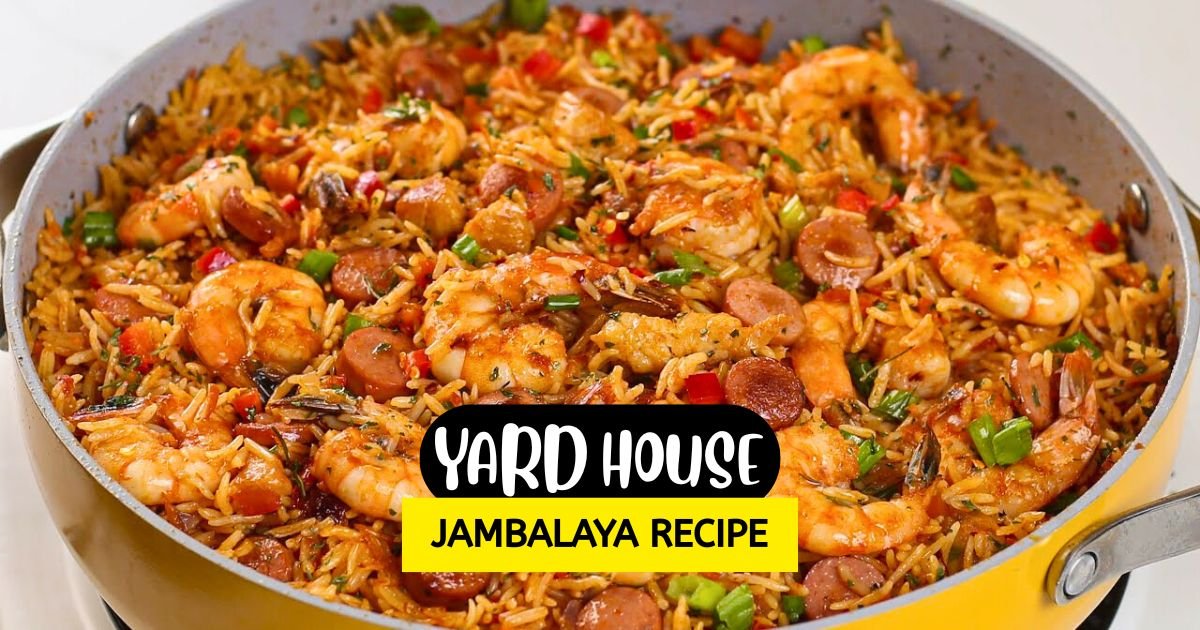
Some recipes I try once and then forget, but others grab me right away and stay in my cooking lineup. When I first tried the Yard House Jambalaya Recipe at home, the smell while it’s cooking fills the kitchen with a bold, inviting aroma. It’s packed with juicy shrimp, smoky sausage, tender chicken, and rice all simmered in a creamy, spicy sauce.
Each bite has layers of Cajun spices, garlic, and sweet peppers. The mix of textures is exciting with soft rice, tender meats, and a mild kick of heat, and great is how simple it is to pull together. What I like most is how easy it is to make. Most ingredients are easy to find, and everything cooks in one pot.
This recipe is perfect for nights when I want comfort food that is also lively and full of flavor. The Yard House Jambalaya has become one of my go-to dishes, and I’m eager to share how to make it at home.
History and Origins of Jambalaya
Jambalaya has strong ties to Louisiana, but its origins go back even further. Food historians believe jambalaya comes from the Spanish dish paella, which Spanish settlers brought to Louisiana in the 1700s.
When they couldn’t find saffron, an important ingredient in paella, they used tomatoes instead for color and flavor. This change helped create what we now call Creole jambalaya.
Over time, cooking traditions from West Africa, France, and Native America mixed into the dish. Louisiana became its home, and jambalaya grew into one of the most famous recipes in the American South.
The dish reflects the cultural diversity of New Orleans, blending different flavors into something bold and satisfying.
What Makes Yard House Spicy Jambalaya Unique
Yard House offers a unique take on jambalaya, which is a classic Southern dish. Their version, known as spicy jambalaya, is more of a fusion dish than a traditional Cajun or Creole one.
This change gives the dish a creamier texture that sets it apart from traditional Louisiana jambalaya. The dish usually includes shrimp, sausage, and sometimes chicken, all in a bold, Cajun-spiced sauce.
While traditional Louisiana jambalaya often includes crawfish, Yard House’s version does not. Their sauce is creamy and spicy rather than just tomato-based, which adds to its restaurant-style appeal. It is hearty, satisfying, and has a good level of heat.
Differences Between Yard House and Traditional Jambalaya
Traditional jambalaya splits into two main camps. Creole jambalaya, sometimes called red jambalaya, uses tomatoes. Cajun jambalaya, or brown jambalaya, skips the tomatoes and gets its color from well-browned meat. Louisiana cooks often leave out tomatoes because that’s how their grandmas made it.
Yard House takes a totally different path. The sauce is creamy rather than tomato-based or dry. That’s a huge shift from anything you’d find in a Louisiana kitchen.
Louisiana recipes focus on the rice absorbing liquid as it cooks, creating separate grains that hold all that meaty flavor. Yard House jambalaya feels more like a spicy dish with Cajun ingredients mixed in. Both taste great, but they’re really two different things wearing the same name.

Ingredients for Yard House Jambalaya
Sausage (12 oz): This sliced sausage adds bold and spicy flavor to the dish. It is the main source of flavor.
Shrimp (1 lb, peeled and deveined): Use large or jumbo shrimp, as they cook quickly and absorb the sauce well. Medium shrimp work too, but they will need a bit less cooking time. You can also use frozen shrimp that have been fully thawed.
If you want more protein, boneless chicken thighs add good texture and richness.
Yellow Onion (1 medium, diced): Onions are the base of the flavor. They soften and sweeten as they cook, adding depth to the sauce.
Red Bell Pepper (1, diced): This adds color, mild sweetness, and texture. An orange bell pepper works well, too.
Green Bell Pepper (1, diced): This adds a slightly earthy flavor that balances the sweetness of the red pepper.
Celery (2 stalks, chopped): It gives a mild, fresh flavor that complements the base.
Garlic (4 cloves, minced): Fresh garlic adds a savory and aromatic layer. You can use garlic paste too; about 1 teaspoon will do.
Long-Grain White Rice (1 ½ cups, rinsed well): Rinsing removes excess starch, helping the rice cook fluffy instead of sticky. Parboiled rice also works well.
Chicken Broth (3 cups): This liquid cooks the rice and makes the sauce. Low-sodium broth helps control the salt level. You can use vegetable broth for a lighter version.
Crushed Tomatoes (1 can, 14.5 oz): This adds body, acidity, and classic Creole color. Diced tomatoes work as well; crush them a bit with a spoon after adding.
Creole Seasoning (1 tablespoon): This pre-mixed blend includes paprika, garlic powder, onion powder, cayenne, and herbs. Tony Chachere’s is a popular brand, but you can make your own.
Slap Ya Mama Cajun Seasoning (1 teaspoon): This adds spicy Cajun heat. You can swap it for regular Cajun seasoning at a 1:1 ratio.
Dried Basil (½ teaspoon): This adds a subtle herbal note to the sauce.
Dried Oregano (½ teaspoon): This adds an earthy flavor that pairs well with the tomatoes.
Bay Leaves (2): Simmer these in the dish for extra aroma. Remember to take them out before
serving.
Salt and Black Pepper: Season to your taste and adjust at the end.
Olive Oil (1 ½ tablespoons): Use this to brown the sausage and sauté the vegetables. Avocado oil or vegetable oil also works well.
Heavy Cream (1 cup): This adds a rich texture to the sauce. You can substitute half-and-half for a lighter version.
Cajun Seasoning (1 teaspoon, additional for the sauce): Adding seasoning to the sauce separately enhances the flavor.
Butter (1 tablespoon): This adds shine and rounds out the sauce’s flavors.
Parmesan Cheese (¼ cup, grated, optional): Stir this into the sauce for extra depth and body. You can use nutritional yeast for a dairy-free option.
How to Create the Creamy Cajun Sauce
Classic jambalaya uses a tomato-based broth that the rice absorbs completely. Yard House uses a creamy, spiced sauce that coats each bite with a rich texture.
To make this sauce at home, start by searing your protein and softening your vegetables. Then, add butter to the pan and let it melt. Pour in heavy cream and season it with Cajun seasoning. Let it cook over medium heat for about 3-4 minutes to reduce.
The sauce thickens naturally from the fat in the cream, the starch from the pasta or rice, and the cooking time. You don’t need a roux; it thickens as it simmers. This sauce is not just a roux or a tomato-based sauce. It is a cream reduction with Cajun flavors, giving the dish a bold, restaurant-style finish.
Recommended Tools for Cooking Jambalaya
- Use a large Dutch oven or deep skillet to avoid crowding.
- Stir with a wooden spoon or silicone spatula to protect the pan.
- A sharp chef’s knife helps you quickly prepare vegetables.
- A cutting board keeps your workspace organized.
- Use measuring cups and spoons to keep your seasonings consistent.
- A fine-mesh strainer is useful for rinsing rice before cooking.
- Use tongs to turn and flip sausages easily.
- A lid for your pot traps steam, which helps cook the rice evenly.
Step-by-Step Instructions to Cook at Home
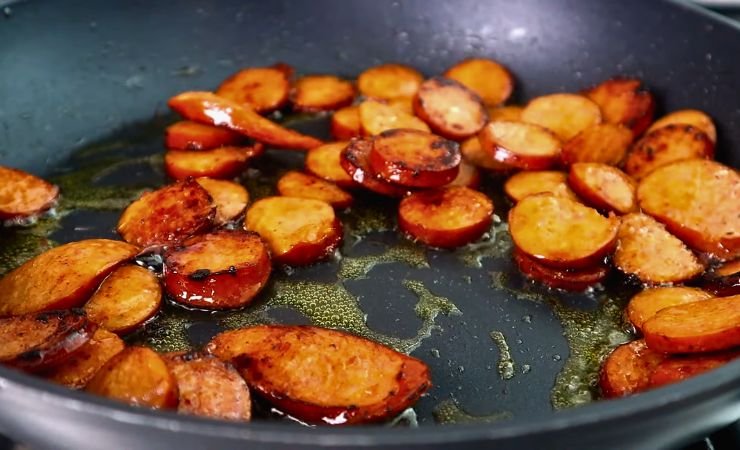
1. Brown the Sausage: Heat 1½ tablespoons of olive oil in a large skillet. Add the sliced sausage in a single layer. Cook for 2-3 minutes on each side until browned. Remove the sausage and set it aside.
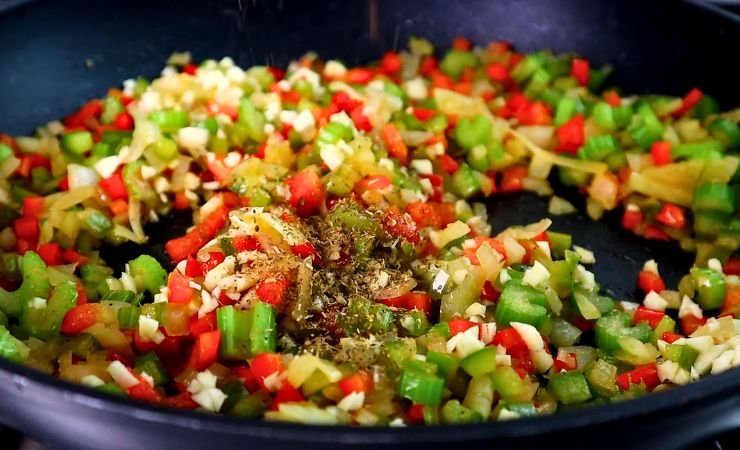
2. Cook the Vegetables: In the same pan, cook diced onion, red and green bell peppers, and celery over medium heat for 4-5 minutes until they soften. Add minced garlic, dried basil, oregano, and Creole seasoning. Cook for 1 minute until you smell the aroma.
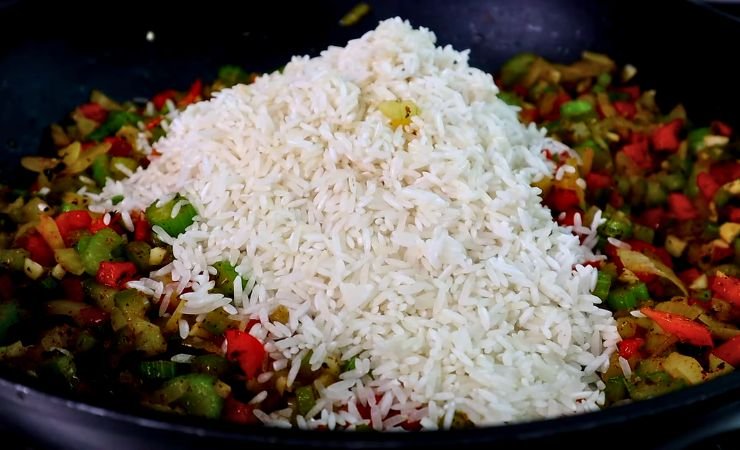
3. Toast the Rice: Rinse the rice under cold water until the water runs clear. Add the rinsed rice to the pan and stir for about 1 minute to toast it, adding flavor and keeping the grains separate.
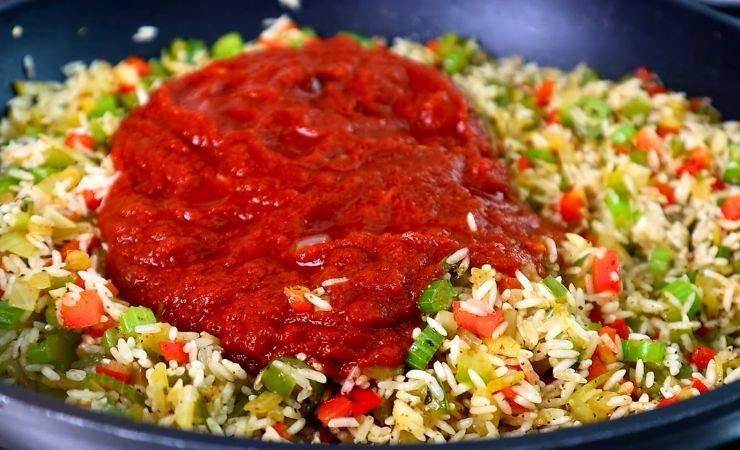
4. Add Liquids and Simmer: Pour in crushed tomatoes and chicken broth, and add bay leaves. Stir, bring to a simmer, and add the sausage back in. Cover and cook on low for 15-20 minutes, stirring occasionally.
5. Add the Shrimp: About 8 minutes before the cooking ends, season the shrimp with Creole and Cajun seasoning. Nestle the shrimp into the rice, cover, and cook for another 4-5 minutes until the shrimp turn pink and opaque. Discard the bay leaves.
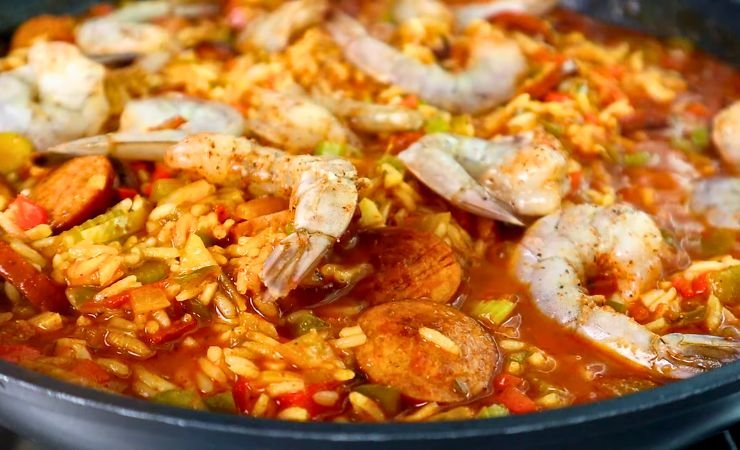
6. Taste and Serve: Toss everything together until evenly coated in the sauce. Adjust the seasonings to your taste. Plate the dish, garnish with green onions and parsley, and serve hot.
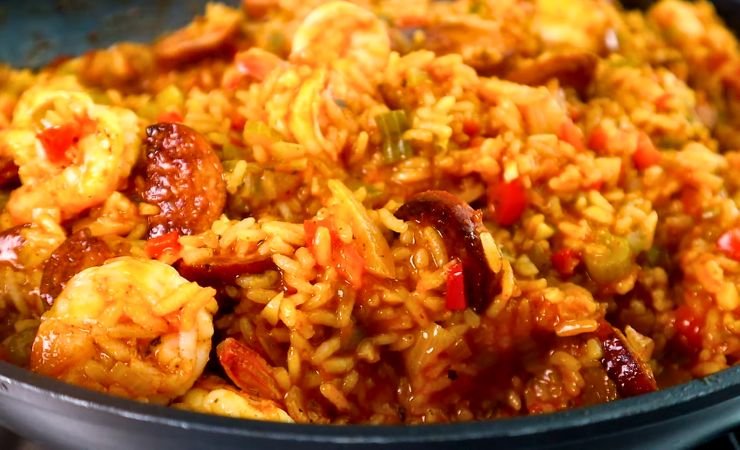
6 Common Mistakes and How to Avoid Them
1. Jambalaya Becomes Mushy: This happens when you stir the rice too much. Stir only every 4-5 minutes and keep the lid on. Rinse the rice before cooking to remove excess starch that can make it mushy.
2. Too Wet or Soupy: You might have added too much liquid or cooked it at too high a heat, which can cause steam. Next time, measure the broth carefully. You can uncover the pot for the last 5 minutes to help evaporate extra liquid.
3. Burns on the Bottom: This occurs when the heat is too high or the pot is uncovered for too long without stirring. Keep the heat low once it starts simmering, and stir gently every few minutes. Use a heavy-bottomed Dutch oven to help prevent this.
4. Becomes Sticky Instead of Fluffy: This happens if you skip rinsing the rice or if you don’t toast it. Always rinse the rice until the water runs mostly clear. Toasting it in the pan before adding liquid helps keep the grains separate.
5. Tastes Bland: To add flavor, season in layers rather than all at once. Season the vegetables and proteins separately. Taste the sauce before it’s done. If it needs more flavor, add a dash of hot sauce or more Cajun seasoning at the end.
6. Overcooked Shrimp: Shrimp only needs 4-5 minutes to cook. The common mistake is adding them too early. Wait until the rice is nearly done before adding the shrimp. Remove them from the heat as soon as they curl and turn pink.
Chef Tips for Restaurant-Style Flavor
The main difference between home-cooked jambalaya and what you find in restaurants is how it’s made. Chefs toast the rice in the pan before adding liquid, which adds a nutty flavor to the dish. They sear the sausage quickly, which gives it a caramelized crust. This process releases fat and flavor, seasoning the pan for the other ingredients.
Great jambalaya gets its smoky taste from the sausage and the browned bits left in the pan. Adding liquid helps lift these bits, which makes the sauce richer. Instead of adding all the seasoning at once, chefs sprinkle it in during cooking, seasoning the sausage, vegetables, and sauce to create depth of flavor without making it too salty.
Alternative Cooking Methods
Dutch Oven Method: I like using a Dutch oven. It heats evenly, and the lid keeps steam inside. Follow the same steps as before for consistent results because the heat spreads evenly.
Instant Pot Method: Yes, you can use an Instant Pot. First, use the sauté function to brown the sausage and cook the vegetables. Then, add the rice, broth, and seasonings. Set it to pressure, cook on high for 8 minutes and do a quick release.
Finally, stir in the shrimp using the sauté function for about 3 minutes.
Slow Cooker Method: Yes, you can use a slow cooker. First, brown the sausage on the stove, then add everything to the slow cooker. Cook on low for 4- 5 hours. Add the shrimp in the last 20-30 minutes to avoid overcooking.
Grill or Smoker Method: Yes, you can cook jambalaya on a grill or smoker. Use a cast-iron Dutch oven on the grill grates. The smoke adds a unique flavor. Keep the temperature steady at around 350°F and follow the same timing.
Serving Suggestions
This dish is filling, so it’s best served with lighter sides. A simple green salad with a tangy dressing balances the rich sauce. Warm cornbread is great for soaking up leftovers.
Roasted okra or sautéed greens pair well with bold Cajun flavors without being overpowering. A glass of lemonade is a good drink to cool down from the heat.
Always add a garnish to your dish. Sliced green onions and fresh parsley add color and flavor before serving. A few dashes of hot sauce on the side let everyone adjust the heat to their taste.
Storage, Meal Prep, and Reheating Tips
This recipe tastes even better the next day as the flavors blend well. It makes about 6 generous servings, depending on how you portion it. Store the parts separately and mix everything with the rice and liquid when ready to cook.
Jambalaya lasts in a sealed container in the fridge for up to 4 days. Let it cool to room temperature before sealing to avoid sogginess. To freeze, portion it into freezer-safe containers. It can last up to 3 months in the freezer. Label the date and keep it in the fridge or freezer to make weeknight meals easy.
The rice might feel different after freezing, but it will still taste good. Thaw it in the fridge overnight before reheating. When you reheat it, add 2-3 tablespoons of chicken broth or water for each serving.
You can warm it in a covered skillet over medium-low heat, stirring gently until it’s hot. Alternatively, use the microwave: cover it loosely, add the extra splash of liquid, and heat it in 90-second intervals.
Nutrition and Health Information
A serving of homemade jambalaya has about 450-550 calories, depending on the proteins and cream sauce used. The traditional rice recipe is gluten-free.
You can substitute rice with cauliflower rice by adding it in the last 10 minutes of cooking. The cream sauce version is good for lower-carb diets because it has more protein and fat.
You can use turkey or chicken sausage instead of other meats, swap heavy cream for light coconut milk or evaporated skim milk, and add more vegetables, such as bell peppers, celery, and onions, for better nutrition. Brown rice can replace white rice for more fiber.
Yard House Jambalaya Recipe
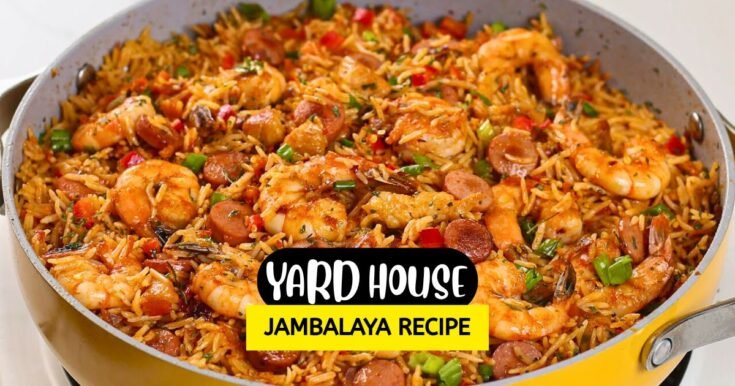
Yard House Jambalaya recipe with shrimp, sausage, and bold Cajun spices in a creamy sauce. A rich, hearty dish inspired by the famous menu favorite.
Ingredients
- 1.5 tablespoons olive oil
- 12 oz andouille sausage, sliced
- 12 oz shrimp, peeled and deveined
- 1 cup long-grain rice, rinsed
- 2 cups chicken broth
- 1 cup crushed tomatoes
- 1 medium onion, chopped
- ½ cup celery, chopped
- ½ cup red bell pepper, diced
- ½ cup green bell pepper, diced
- 3 garlic cloves, minced
- 1 teaspoon Creole seasoning
- ½ teaspoon Cajun seasoning or Slap Ya Mama seasoning
- ½ teaspoon dried basil
- ½ teaspoon dried oregano
- 2 bay leaves
Instructions
- Heat 1½ tablespoons of olive oil in a large skillet. Add the sliced sausage in a single layer. Cook for 2-3 minutes on each side until browned. Remove the sausage and set it aside.
- In the same pan, cook diced onion, red and green bell peppers, and celery over medium heat for 4-5 minutes until they soften. Add minced garlic, dried basil, oregano, and Creole seasoning. Cook for 1 minute until you smell the aroma.
- Rinse the rice under cold water until the water runs clear. Add the rinsed rice to the pan and stir for about 1 minute to toast it, adding flavor and keeping the grains separate.
- Pour in crushed tomatoes and chicken broth, and add bay leaves. Stir, bring to a simmer, and add the sausage back in. Cover and cook on low for 15-20 minutes, stirring occasionally.
- About 8 minutes before the cooking ends, season the shrimp with Creole and Cajun seasoning. Nestle the shrimp into the rice, cover, and cook for another 4-5 minutes until the shrimp turn pink and opaque. Discard the bay leaves.
- Toss everything together until evenly coated in the sauce. Adjust the seasonings to your taste. Plate the dish, garnish with green onions and parsley, and serve hot.
Nutrition Information:
Yield: 6 Serving Size: 1Amount Per Serving: Calories: 480
The Yard House Jambalaya Recipe really does live up to its reputation. The bold Cajun spice, smoky sausage, and creamy sauce combine to create a satisfying dish from the first bowl. This meal shows that great food can be simple.